ENTRY 005 / MATHEMATICS NOTESGRAPH THEORY · COMPUTER SCIENCE
Graph Theory, Without the Intimidation
A first-year-friendly introduction to vertices, edges, degree, paths, connected graphs, cycles, the handshake lemma, and density—with small challenges for the interactive 3D playground.
ENTRY 004 / QUANTUM NOTESPHYSICS · WAVE MECHANICS
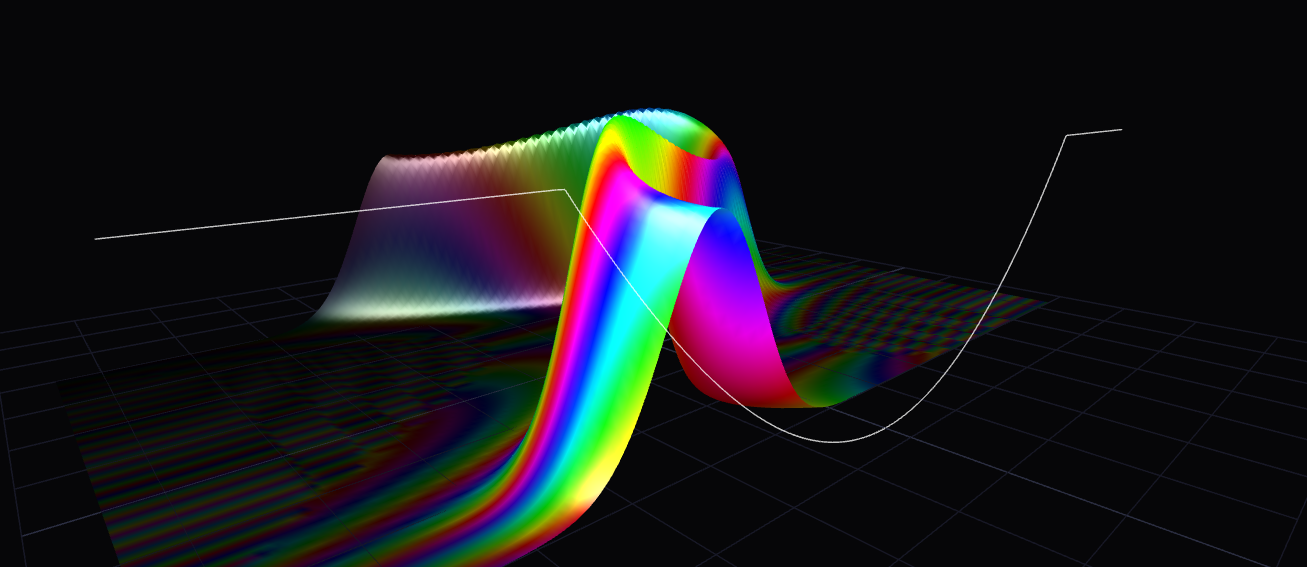
The Schrödinger Wavefunction
A visual introduction to quantum states, probability density, superposition, nodes, and the time-dependent Schrödinger equation, illustrated with all five original project images.

ENTRY 002 / COURSEWORK NOTESC PROGRAMMING · BUET CSE 102
Learning C by Building a Solution Collection
A growing collection of CSE 102 coursework and practice solutions, from conditionals, functions, and strings to pointers, dynamic arrays, matrix operations, and algorithmic problem-solving.
This article walks through the repository’s organization and the ideas explored across its commit history, including CSES-style problems and iterative improvements to implementations.
ENTRY 001 / PROJECT ANNOUNCEMENTSOFTWARE · GAME DEVELOPMENT
SEIBISHI: A Maze of Strategy, Survival, and Code
A 2D maze-survival game built in C with raylib. Explore ten increasingly challenging levels, adaptive enemy behavior, three difficulty modes, scoring, player profiles, and persistent progress.
This project note covers the gameplay, enemy AI, design decisions, and programming systems behind SEIBISHI.
ENTRY 003 / VISUAL FIELD NOTESPHYSICS · ELECTROMAGNETISM
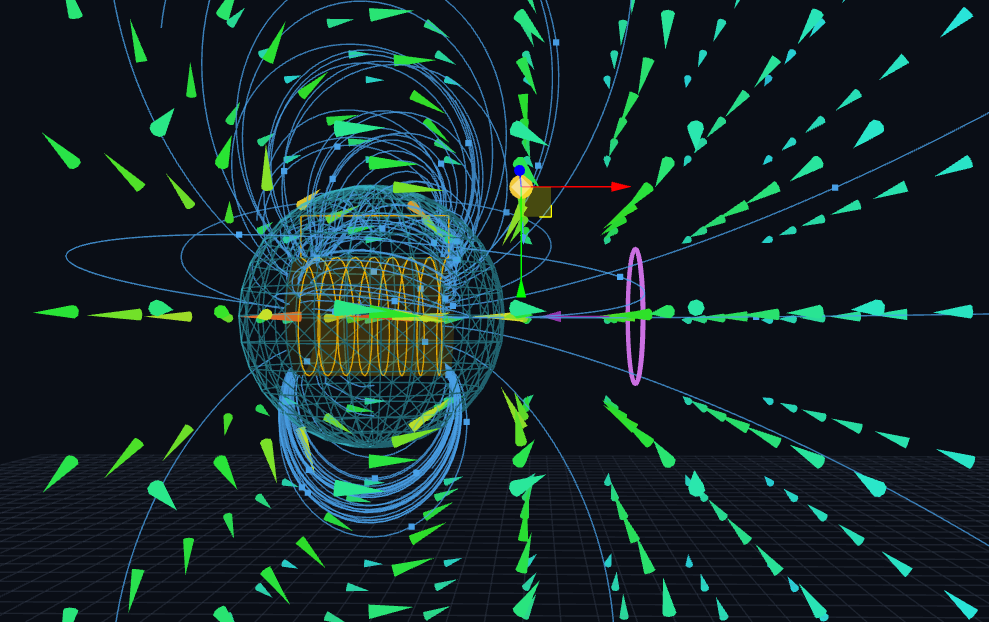
Reading the Invisible: Maxwell Field Lab
A visual companion to an interactive 3D electromagnetic laboratory. Explore the meaning of Maxwell’s four equations, electric flux, magnetic induction, the Poynting vector, and the limits of a simplified field model—with the project’s own illustrations.